

Understanding Trauma: How the Brain Responds After Difficult Experiences
Trauma Changes How the Brain Responds to the World
Trauma is not only an emotional experience. It can influence how the brain processes safety, danger, memories, and relationships.
When a person experiences overwhelming or threatening events, the brain activates protective systems designed to help them survive. These responses are not signs of weakness; they are natural survival mechanisms.
Understanding how trauma affects the brain can help clients develop self-awareness, reduce shame, and begin building new patterns of healing.
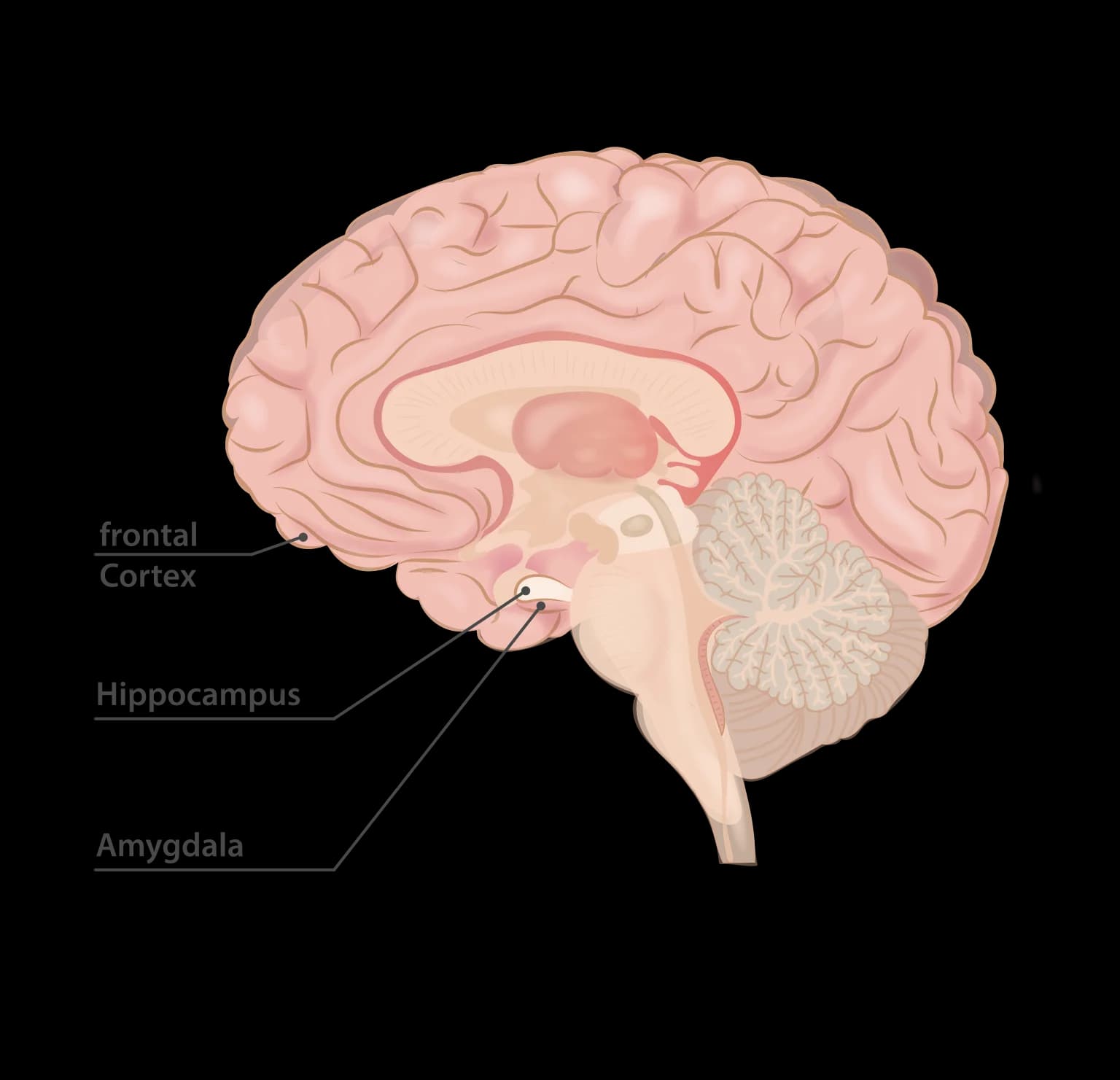
The Brain's Survival System
The brain is constantly scanning the environment for signs of safety or danger.
After trauma, the brain may become more sensitive to possible threats. Experiences that feel similar to the original event can activate protective responses, even when the person is currently safe.
Common trauma responses include:
- Feeling constantly alert or on guard
- Strong emotional reactions
- Difficulty relaxing
- Avoiding reminders of painful experiences
- Feeling disconnected or numb
- Struggling with trust and relationships
These responses are the brain attempting to protect the person.
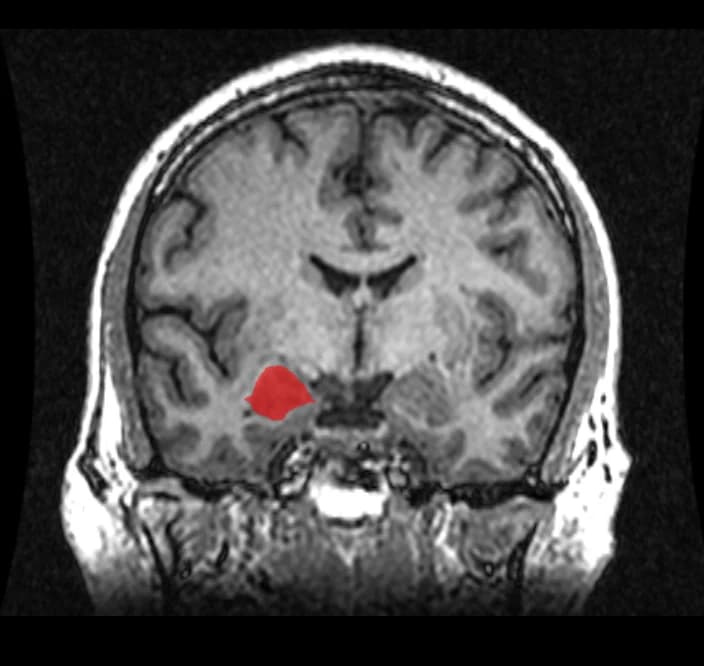
The Amygdala: The Brain's Alarm System
The amygdala plays an important role in detecting threats and activating survival responses.
After trauma, the amygdala may become more reactive, causing the brain to respond quickly to possible danger.
This can contribute to:
- Fear responses
- Anxiety
- Hypervigilance
- Strong emotional reactions
The alarm system is designed to protect, but after trauma it may sometimes activate when there is no immediate threat.
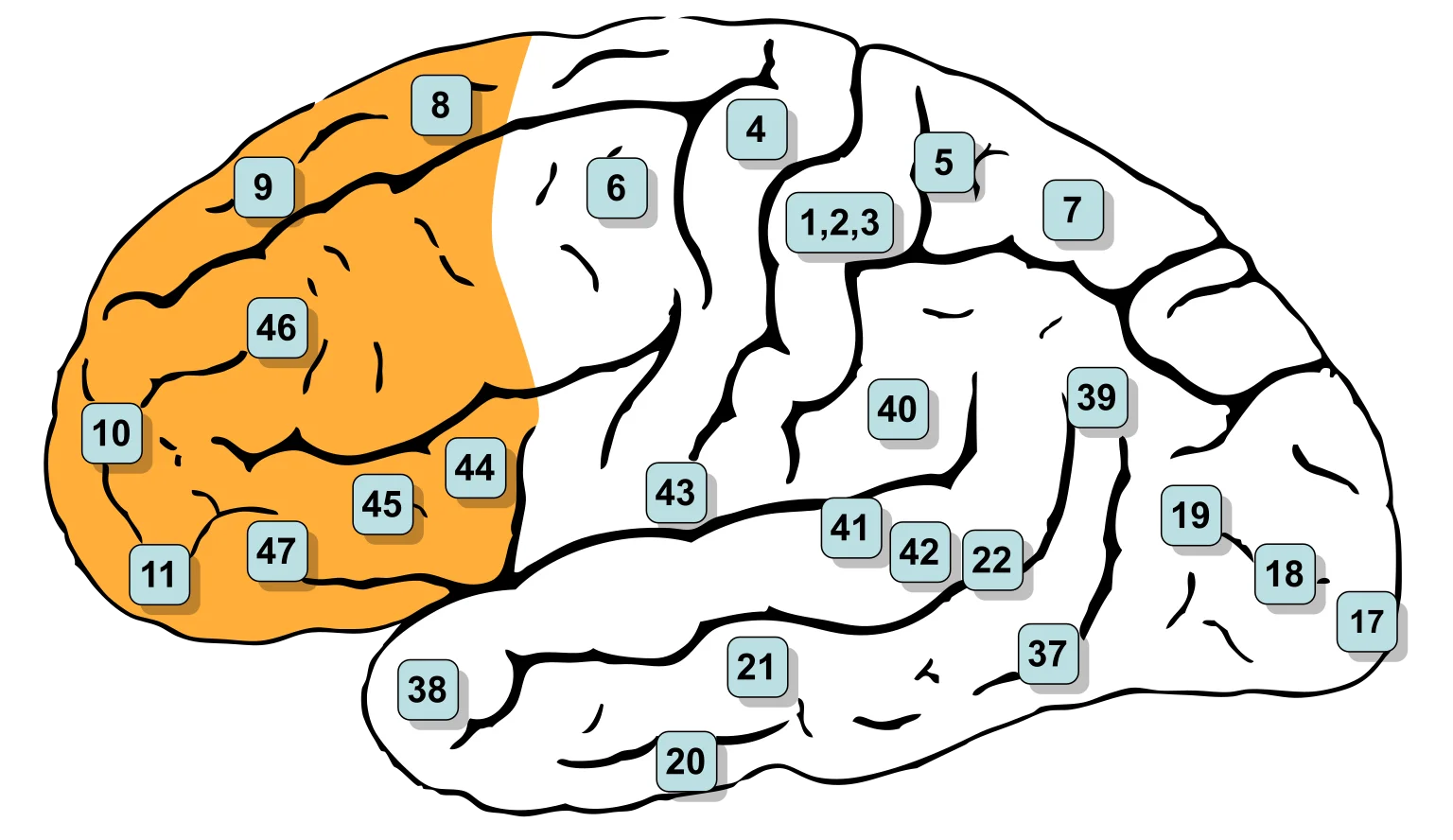
The Prefrontal Cortex: The Thinking Brain
The prefrontal cortex helps with:
- Decision-making
- Problem-solving
- Emotional control
- Understanding situations clearly
During moments of intense stress, survival responses can become stronger and make it harder to access calm thinking.
Trauma recovery involves strengthening awareness, regulation skills, and the ability to reconnect with the present moment.
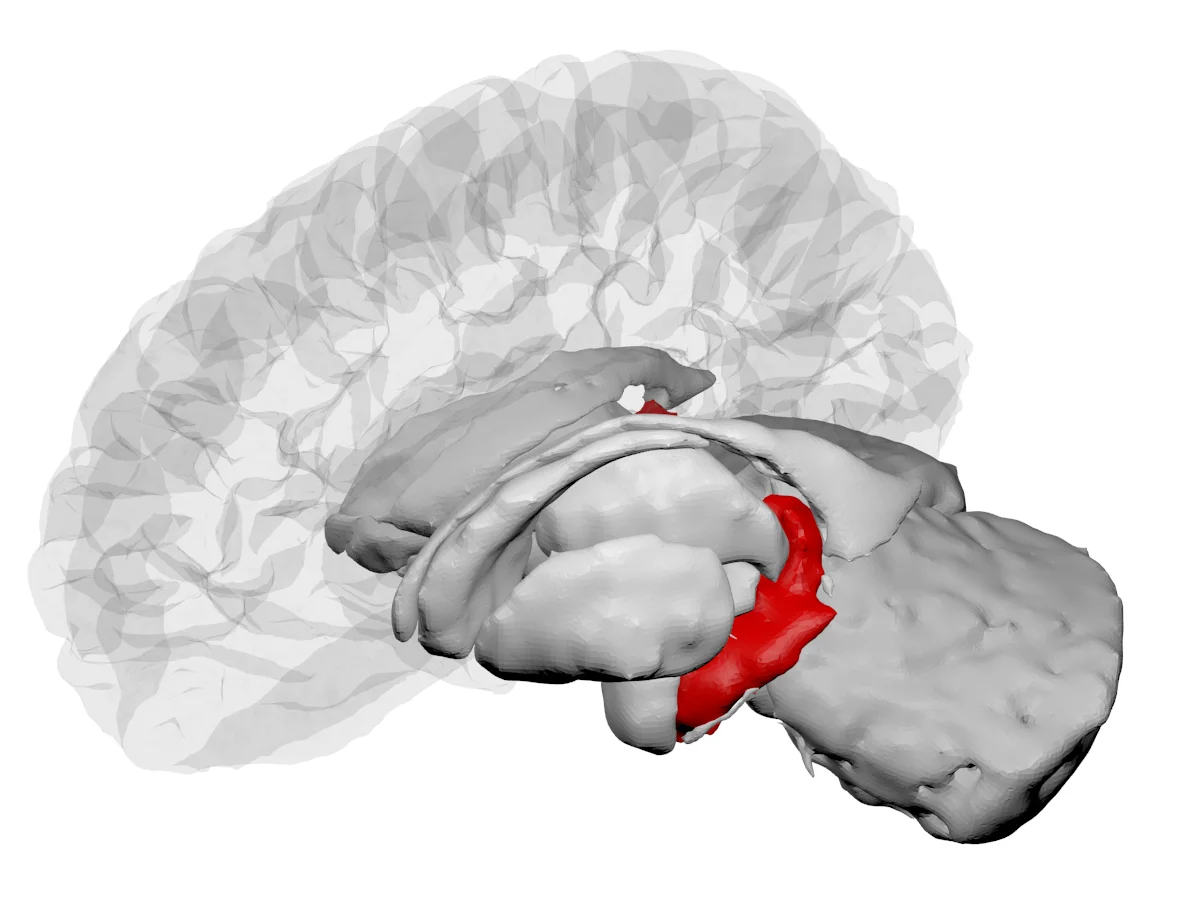
The Hippocampus: Memory and Context
The hippocampus helps organize memories and connect experiences with time and context.
After trauma, memories may feel:
- Very vivid
- Emotionally intense
- Difficult to control
- Connected to present situations
Healing involves helping the brain recognize the difference between past experiences and current reality.
The Nervous System After Trauma
The nervous system helps regulate the body's response to stress.
Trauma can influence nervous system states, including:
Hyperarousal
The body feels activated:
- Racing thoughts
- Tension
- Irritability
- Difficulty sleeping
Hypoarousal
The body feels shut down:
- Numbness
- Low energy
- Disconnection
- Feeling frozen
Regulation
A balanced state where a person can:
- Feel safe
- Think clearly
- Connect with others
- Manage emotions
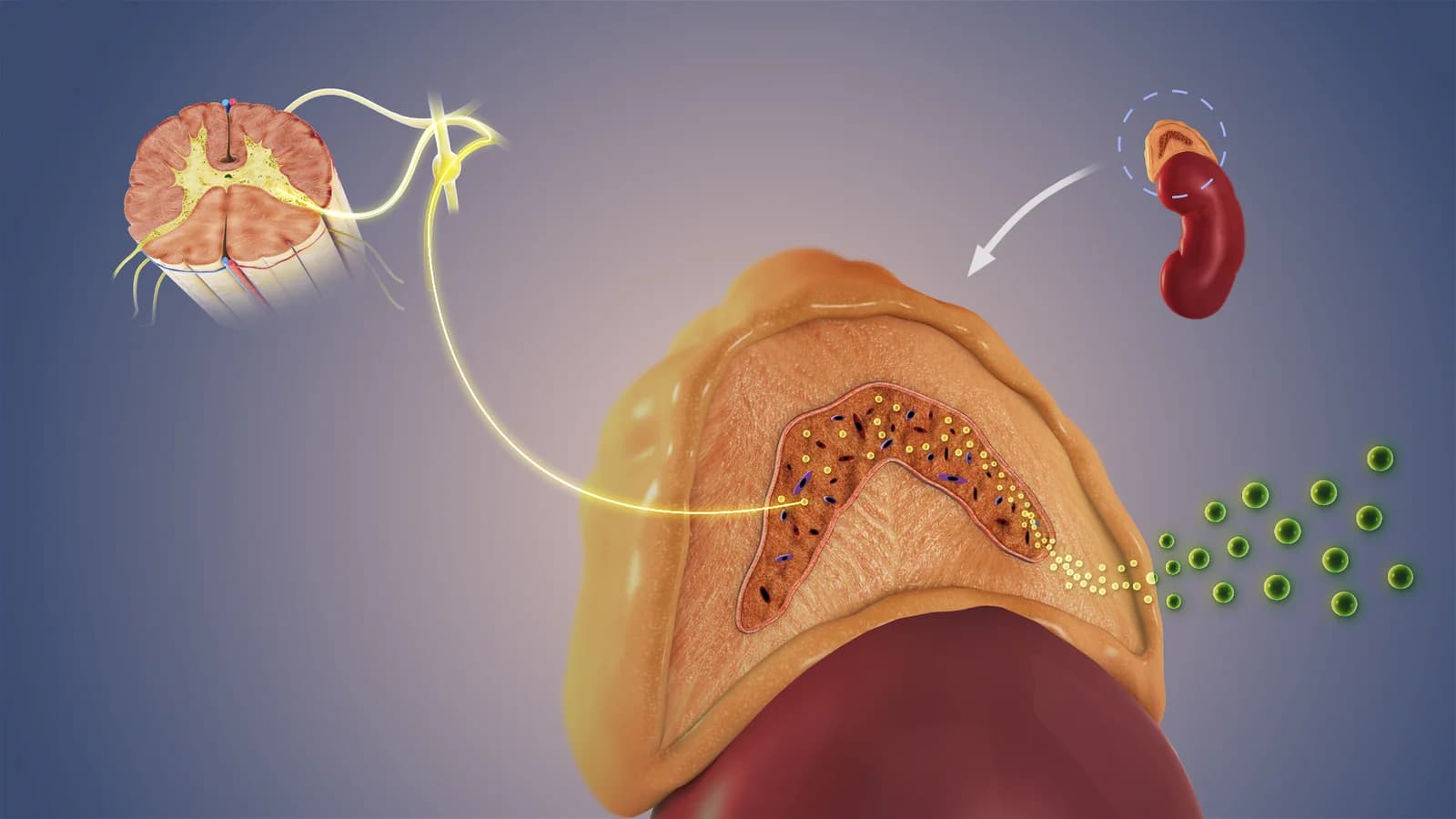
Trauma Responses Are Survival Responses
Many trauma reactions are the brain's attempt to protect the person.
Fight
Responding by confronting perceived danger.
Flight
Responding by escaping or avoiding threats.
Freeze
Responding by becoming disconnected or unable to act.
Fawn
Responding by trying to create safety through pleasing or adapting to others.
These responses helped the person survive. Healing involves learning when these responses are needed and when the brain can return to safety.

Moving Toward Healing
The brain has the ability to adapt and create new patterns through learning, safety, and repeated experiences.
Trauma recovery can involve:
- Building emotional awareness
- Developing regulation skills
- Creating supportive relationships
- Processing difficult experiences safely
- Practicing new ways of responding
Understanding the brain after trauma is the first step toward changing the relationship with thoughts, emotions, and memories.
Key Reflection
"My reactions are not random. They are signals from a brain that learned how to survive."
Ready to use these tools in session?
The Trauma Treatment Toolbox gives you 200+ ready-to-adapt worksheets, client handouts, and clinical tools per volume.

Keep exploring

